Going “Nuts” Over Carbon
Why Modern Engines Have a Carbon Problem
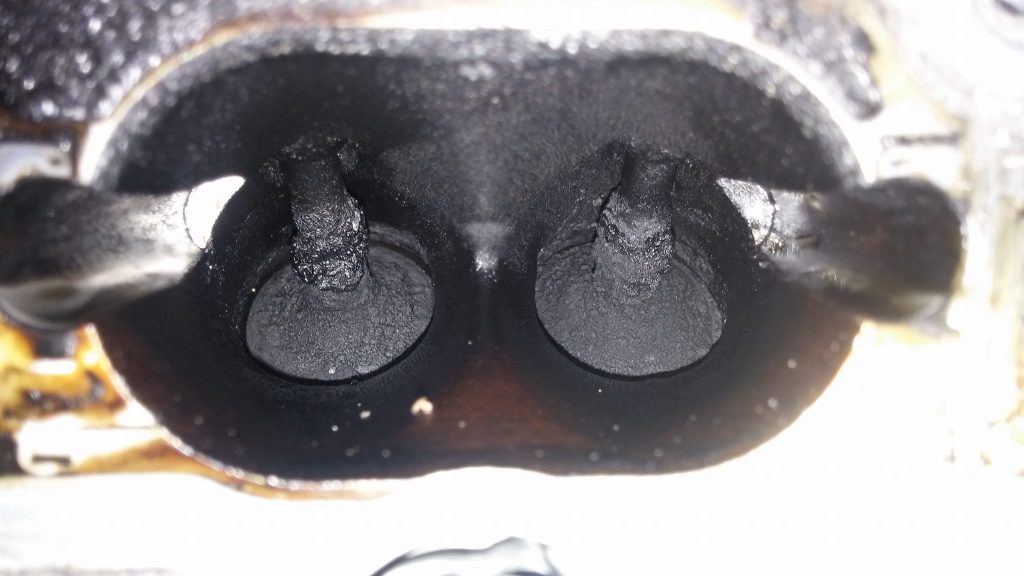
Direct injection has transformed fuel efficiency and performance in modern engines — but it comes with a well-documented tradeoff. In a traditional port-injected engine, fuel is sprayed directly onto the intake valves, effectively washing them clean with every combustion cycle. In a direct injection (DI) engine, fuel bypasses the intake valves entirely and enters the combustion chamber directly. The result: oil vapour from the crankcase ventilation system coats the backs of the intake valves, and with no fuel wash to remove it, that residue bakes on cycle after cycle into hard, carbonized deposits.
Over time, those deposits restrict airflow, disrupt the carefully tuned intake charge tumble, and interfere with valve seating. The engine’s ability to breathe — and to run cleanly — is compromised.
This isn’t a fringe issue. It’s a known characteristic of the technology, and it affects virtually every GDI engine on the road today.
What Is Walnut Blasting?
Walnut blasting (also called walnut shell media blasting or walnut media cleaning) is the automotive industry’s preferred method for removing hardened carbon deposits from intake valves and ports. The process uses finely crushed walnut shells as an abrasive blasting medium — soft enough not to damage precision-machined metal surfaces, yet abrasive enough to dislodge even stubborn baked-on carbon.
The walnut shell media is propelled through a specialized nozzle into the intake port, scouring the valve faces and port walls while a simultaneous vacuum recovers the spent media and dislodged carbon. Done correctly, it restores intake geometry to near-factory condition and can immediately eliminate the symptoms that led to the service in the first place.
The procedure is mechanically involved. The intake manifold must be removed, the engine rotated to the correct crank position so that target valves are closed (to prevent media ingestion), adjacent ports sealed, and the surrounding engine bay covered against contamination. Each pair of cylinders is cleaned in sequence before the crank is rotated again to address the remaining pair.
Subaru as a Case Study
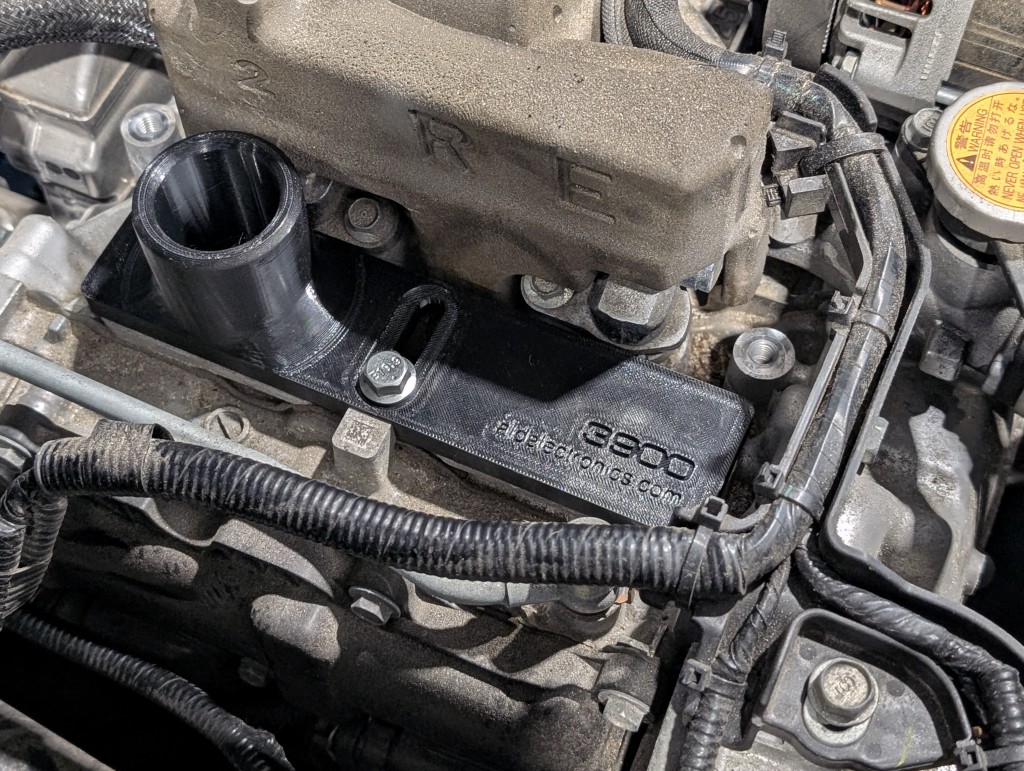
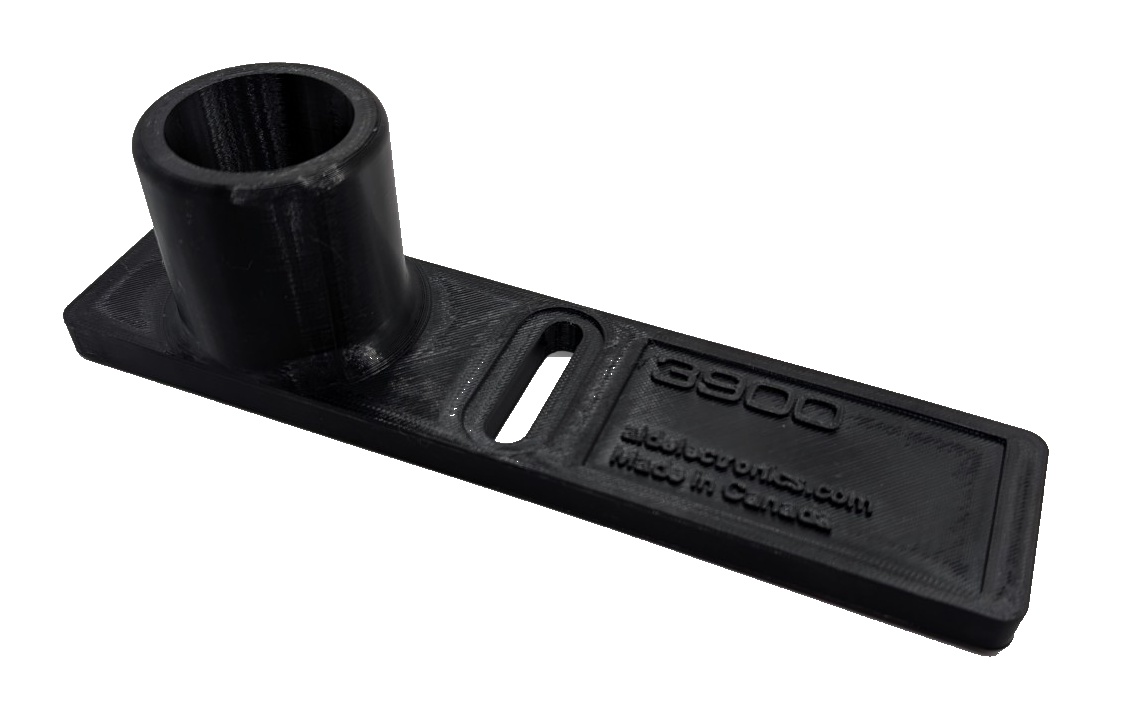
Depending on the engine configuration (V-type, boxer, inline) and the design of the intake manifold itself, performing walnut blasting can be made easier and safer by using application specific accessories such as our Model 3900 Blasting Plate which is made specifically for Subaru vehicles.
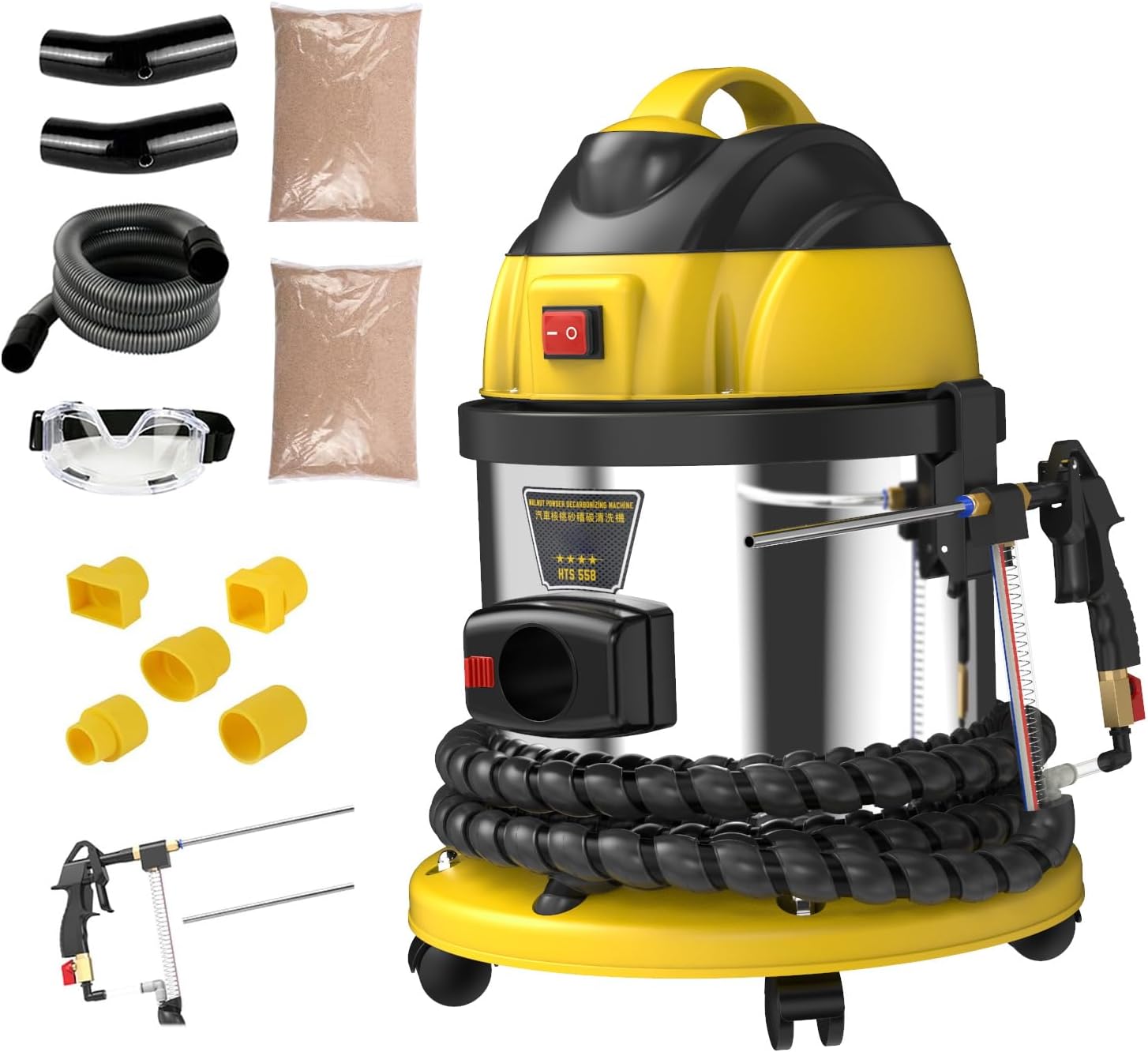
We recommend following the manufacturer’s instructions and have found that the combination vacuum/blasting equipment commonly sold under “HTS558” by various Chinese brands to be effective. It is available at the normal mass market retail channels in the $400-$600 price range.
Our walnut blasting plate is tailored for use in FB and FA engines, including those in the following matrix:
| Model | Years | Engine |
|---|---|---|
| Legacy / Outback | 2020–2024 | 2.5L NA, 2.4L DIT |
| Crosstrek | 2018–2024 | FB-series |
| Impreza | 2017–2024 | FB-series |
| Forester | 2019–2024 | 2.5L NA |
| Forester | 2014–2018 | 2.0L DIT |
| WRX | 2015–2024 | 2.0L DIT |
| Ascent | 2019–2024 | 2.4L DIT |
To dig deeper into the issue, we recommend reading Subaru’s own service bulletin. It is publicly available at https://static.nhtsa.gov/odi/tsbs/2025/MC-11012265-0001.pdf or at the permalink here.
Last Word
Engine carbon problems are not going away any time soon. If anything, engine carbon treatment will become a normal part of the routine maintenance required to keep late model GDI engines on the road. Walnut blasting is an effective and proven method. Plan on refining your service process by using tools to enhance your profitability through customer satisfaction.